
You just landed at Harry Reid International, the slot machines are already dinging in the terminal, and that electric Vegas energy is buzzing through your whole body. Everything feels possible. You’re going to see a show, eat somewhere incredible, maybe win big at the tables, definitely stay up way too late.
And then reality hits. Your feet are on fire by 3 PM. Your “budget-friendly” hotel room somehow cost $50 more than you expected. You’re sunburned, dehydrated, and the restaurant you were dying to try? Booked solid through Saturday.
Here’s the thing: Vegas is one of the most fun cities on the planet. But it’s also a city designed to separate you from your money in ways you won’t see coming. These ten mistakes are the ones that trip up almost every first-timer. Skip them, and you’ll actually enjoy the trip you’ve been daydreaming about.
Underestimating How Massive the Strip Actually Is
That cute little map in the hotel lobby makes everything look so close together. It lies.
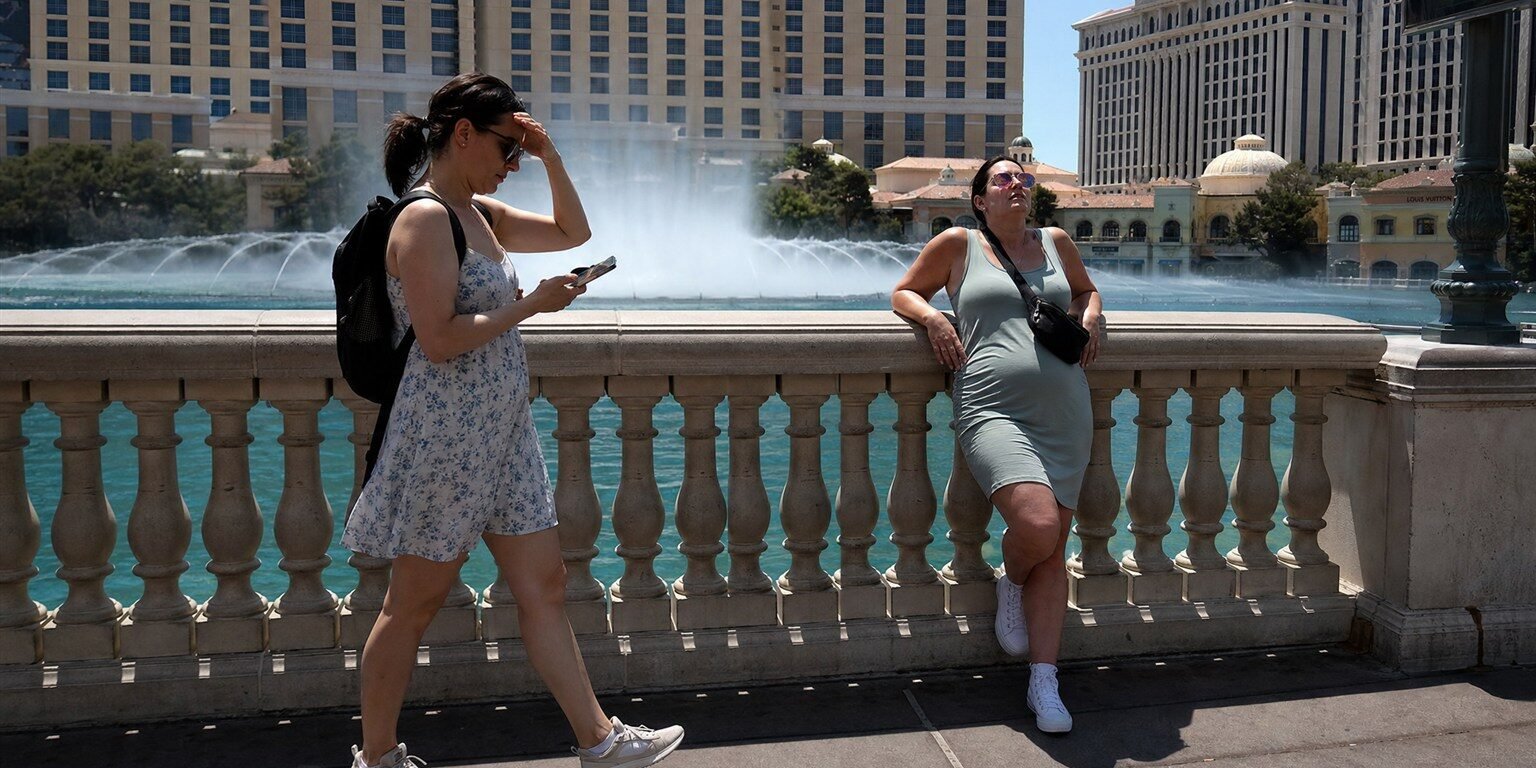
The Las Vegas Strip stretches 4.2 miles from end to end. But that’s just the road itself. Add in the football-field-length casino floors you’ll walk through, the skybridge detours, the hotel hallways that seem to go on forever, and you’re easily logging 10 to 15 miles a day without even trying. A “quick walk” from the Bellagio to the Wynn? That’s over a mile and a half.
Wear your most comfortable walking shoes. This is not the time for new sandals or heels (save those for dinner). And know your free transportation options: three free trams connect clusters of hotels on the west side of the Strip (Mandalay Bay to Excalibur, Park MGM to Bellagio), and the paid Monorail runs 3.9 miles along the east side starting at approximately $5 per ride. Rideshares are cheap and plentiful for longer hops.
Your feet will thank you on Day 3.

Ignoring Resort Fees When Booking Your Hotel
This one burns people every single time. You find a gorgeous room for $99 a night, feel like a genius, and then check-in hits you with a mandatory “resort fee” of $39 to $55 per night. That’s on top of your room rate. Every night.
Resort fees supposedly cover amenities like Wi-Fi, pool access, and the fitness center, whether you use them or not. Most major Strip hotels charge them, and they aren’t always clearly displayed during booking.
Always google “[hotel name] resort fee” before you book, or check the total cost breakdown carefully at checkout. A few Downtown hotels still skip the resort fee entirely, and some off-Strip properties do too. That $99 Strip room might actually cost more than a $130 Downtown room once fees are added.
Compare Las Vegas hotel rates and resort fees on Expedia →

Not Bringing Enough Cash (and Using Casino ATMs)
Vegas is still very much a cash town. Tips, street food, valet, table games, those frozen drinks you’ll inevitably grab on Fremont Street: cash, cash, cash.
And casino ATMs know this. They charge anywhere from $8 to $12 per transaction, sometimes more. That’s before your own bank’s out-of-network fee stacks on top.
The fix is simple. Withdraw what you’ll need before you leave home, or hit your bank’s ATM at the airport. The moment you land, break a $20 or two into singles and fives. You’ll encounter at least five people who deserve a tip before you even reach your hotel room (shuttle driver, skycap, bellhop, the person handing you a welcome drink). Being prepared avoids that awkward empty-pocket moment.

Trying to Pack Too Much Into One Trip
Vegas FOMO is powerful. There are shows to see, restaurants to try, pools to lounge at, day trips calling your name, and somehow it all needs to fit into three or four days.
It doesn’t. And if you try to force it, you’ll end up exhausted, cranky, and too tired to enjoy anything by Day 2.
Pick two or three “must-do” experiences per day, max. Leave breathing room between activities. Some of the best Vegas moments happen spontaneously: the live band you stumble into at a casino bar, the incredible taco place your Uber driver recommends, the sunset you catch from an unexpected rooftop.
You’ll come back. Vegas isn’t going anywhere. Let this trip be fun instead of a forced march through your Pinterest board.
Forgetting That the Desert Will Absolutely Dehydrate You
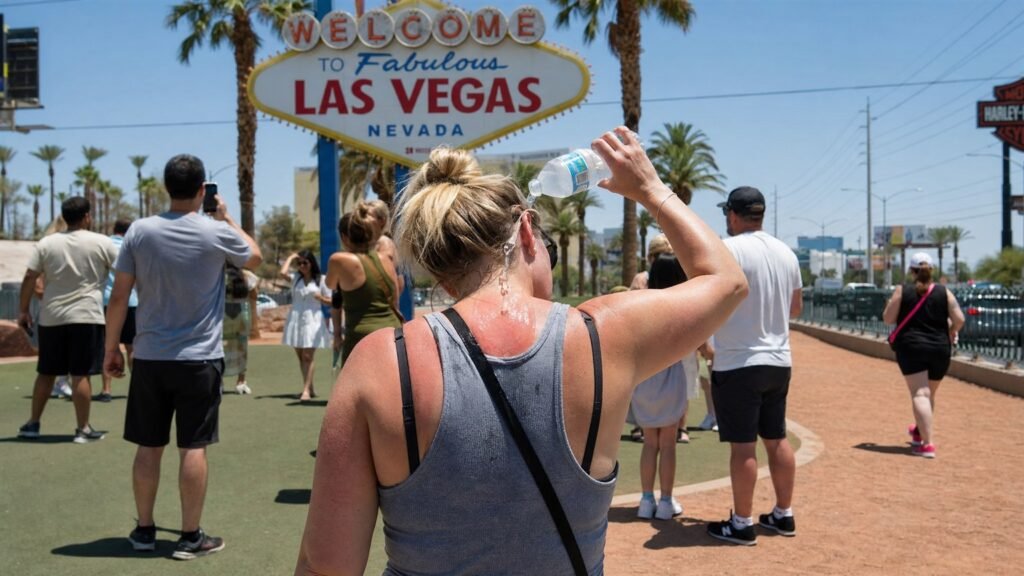
Las Vegas sits in the Mojave Desert. The humidity regularly drops below 15%. The sun is relentless. And if you’re visiting between May and September, temperatures routinely exceed 100 degrees.
Now add in air-conditioned casinos that pull every drop of moisture from the air, plus alcohol, plus miles of walking. You’re a dehydration disaster waiting to happen.
Carry a water bottle everywhere. Refill it constantly. For every cocktail, drink a full glass of water. This isn’t optional wellness advice; it’s the difference between feeling great on Day 3 and spending that afternoon in bed with a splitting headache wondering why you feel so terrible. (Hint: it wasn’t just the tequila.)
Falling for Street Hustlers and Tourist Traps
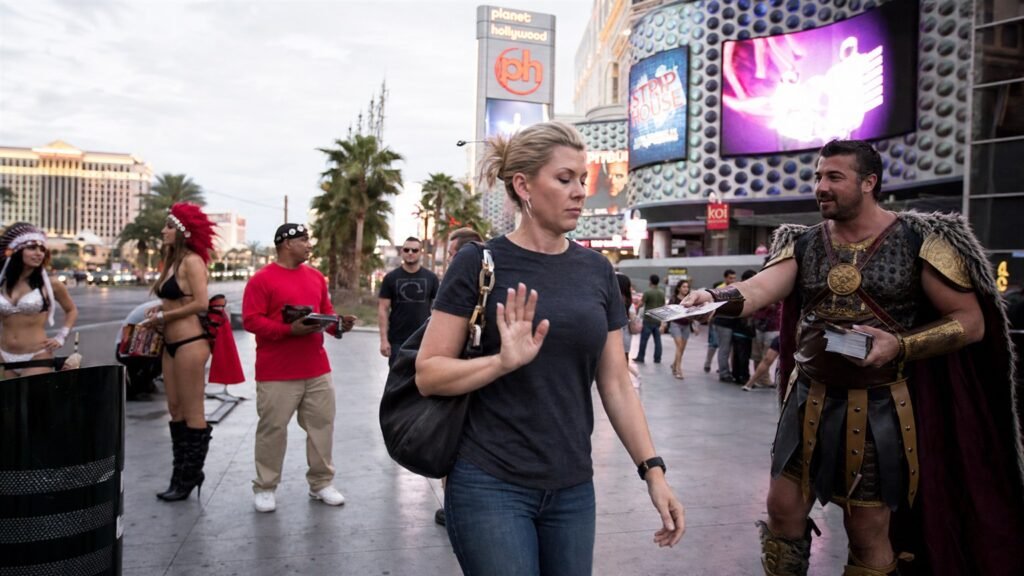
The Strip sidewalks are full of people whose entire job is separating tourists from their money. You’ll encounter CD “promoters” who hand you a disc, then aggressively demand $20. Costumed characters (knockoff superheroes, showgirls, various Elvi) who pose for photos and then insist on $20 to $30 tips. “Free” show ticket people who waste 90 minutes of your vacation with a timeshare pitch.
The rule is simple: if someone approaches you offering something “free” on the Strip, it isn’t free. Keep walking. A polite “no thanks” without breaking stride works perfectly. Don’t engage, don’t take whatever they’re handing you, and don’t feel guilty about it. They do this hundreds of times a day.

Only Staying on the Strip and Ignoring Downtown
The Strip is spectacular, but treating it as the entirety of Las Vegas is like visiting only Times Square and thinking you’ve seen New York.
Downtown Las Vegas (centered around Fremont Street) is a completely different world. It’s grittier, weirder, more affordable, and honestly more fun in a lot of ways. Table minimums are lower. Drinks are cheaper. The Fremont Street Experience light show canopy is wild. And the entire area is walkable in a way the Strip simply isn’t, with everything clustered together.
Beyond Downtown, the Chinatown corridor (just west of the Strip on Spring Mountain Road) has some of the best food in the city, and the Arts District has cocktail bars and galleries that locals actually frequent.
Spend at least one evening Downtown. You won’t regret it.

Not Understanding Vegas Tipping Culture
Las Vegas runs on tips. Everyone from your cocktail server to your housekeeper to the valet depends on gratuities. Not tipping (or tipping too little) doesn’t just create awkward moments. It means slower service, fewer free drinks on the casino floor, and a general vibe that you’re fighting the city instead of flowing with it.
Here’s your cheat sheet:
- Casino cocktail servers: $2 to $5 per drink (tip well on the first round and watch how fast they come back)
- Restaurant servers: 18 to 20% minimum
- Bartenders: $1 to $2 per drink
- Housekeeping: $5 per night, left daily (different staff work different days)
- Bellhops: $1 to $2 per bag
- Valet: $3 to $5 when your car is returned
- Dealers: $5 chip per hour of play, or tip when you hit a nice hand
Get those ones and fives ready. You’ll use them constantly.

Gambling Without a Budget or Without Learning the Basics
Two rookie moves that both end badly.
First: sitting down at a table game you don’t understand. Blackjack and craps have specific etiquette and procedures. The dealer won’t stop the game to teach you, and the other players will get visibly frustrated if you’re holding things up. Watch a ten-minute YouTube tutorial before your trip. It makes the difference between a stressful experience and a genuinely great time.
Second: not setting a gambling budget. Decide before you leave home how much total money you’re comfortable losing. Not “winning” with. Losing. Divide that number by the days of your trip. When that day’s budget is gone, walk away. No exceptions. No “I’ll win it back” thinking. The house always has the edge. Treat gambling as entertainment (like paying for a show) and you’ll actually enjoy it.
One more tip: avoid 6:5 blackjack tables and triple-zero roulette. They’re common on the Strip and the odds are significantly worse. Look for 3:2 blackjack, which you’ll find more easily Downtown.
Skipping Reservations for Restaurants, Shows, and Pools
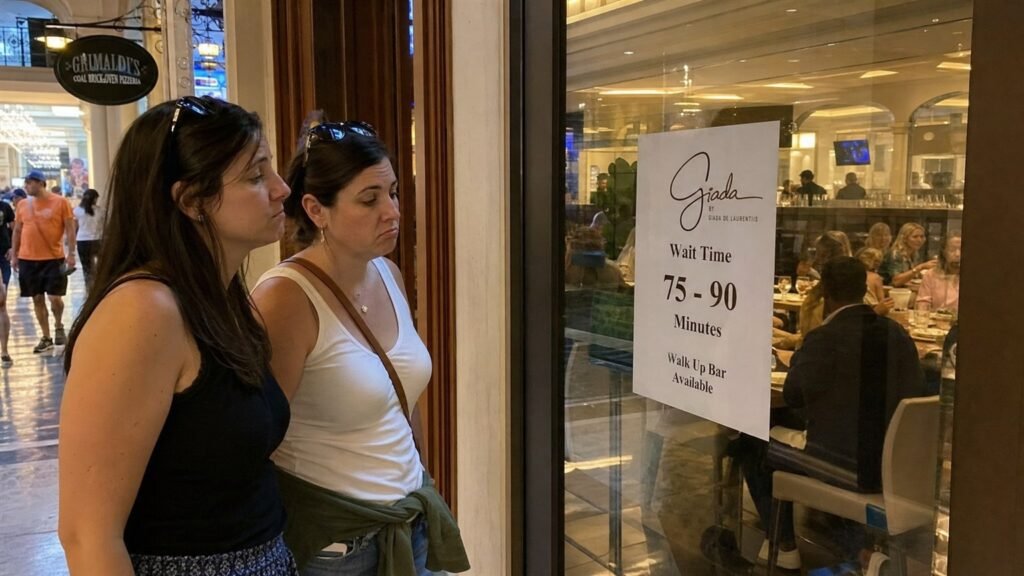
Vegas isn’t a walk-up city anymore. The restaurant you’ve been excited about for months? It’s booked solid on weekends, often weeks in advance. That Cirque du Soleil show? Sold out. The pool cabana you assumed you’d just grab? Reserved by noon.
For any restaurant you specifically want to try, book two to four weeks ahead. Popular shows (especially weekend performances) should be reserved at least a week out, sometimes more. Dayclubs and pool parties often require guest list sign-ups or advance tickets.
Even “casual” celebrity chef spots on the Strip need reservations for Friday and Saturday dinner. The exception is lunch, which is almost always easier to snag.
Browse Las Vegas shows and get discount tickets on Vegas.com →
Bonus: Quick Budget Wins
- Sign up for free players’ club cards at every casino you visit. Free play, discounts, and comps add up fast.
- Eat lunch at the nice restaurants instead of dinner. Same food, smaller prices.
- Check for same-day show discounts at ticket booths on the Strip.
- Happy hours on the Strip run from roughly 3 to 6 PM and can save you 40 to 50% on drinks and appetizers.
- Visit Sunday through Thursday for significantly lower hotel rates and easier reservations.
Go Have the Time of Your Life
Every single mistake on this list has the same root cause: not knowing what you’re walking into. And now you do.
Vegas rewards the people who show up with a loose plan, comfortable shoes, a stack of ones, and the wisdom to know that you don’t have to do everything in one trip. Pace yourself. Hydrate. Budget your gambling money. Tip the people who make your experience great. And for the love of everything, make that dinner reservation.
Your first Vegas trip should be the one that makes you immediately start planning your second. Skip the rookie mistakes, and it will be.